About Dark Waters
Made for the coast after dark
From the last round on the quay to a blackout in a seaside cottage, we design lanterns for the places where the dark rolls in early.
About Dark Waters
From the last round on the quay to a blackout in a seaside cottage, we design lanterns for the places where the dark rolls in early.
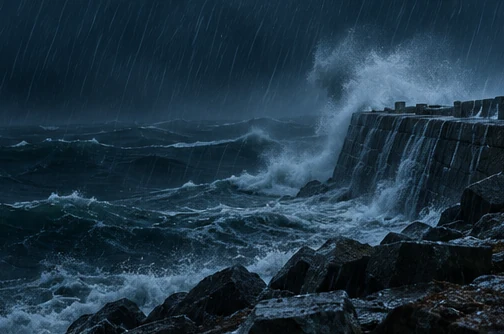
Our story
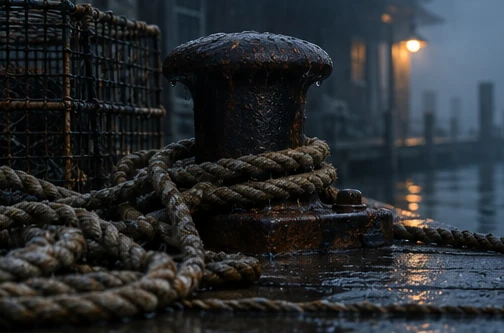
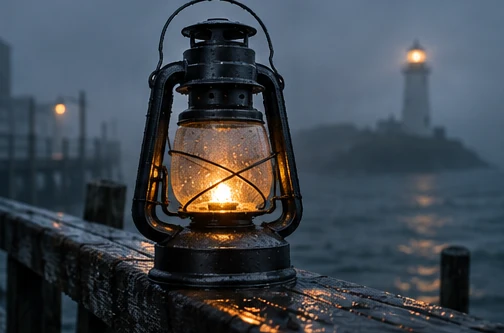
The first Dark Waters lantern took shape during a winter of early sunsets and long walks down Saltmere’s old timber wharf. The original brief was simple: a warm light that could rest on a piling or hang from a hook, with controls you could work through gloves. The Stormwatch, Tidewalker and Harborlight grew from those different ways of using a lantern.
Coastal conditions
Warm light for the next few steps.
A secure grip for cold, wet hands.
Portable light when the mains go quiet.
Coastal partners
We take inspiration from the fictional crews who look after lights, landing stages and gear along the Dark Waters coast.
Lighthouse preservation
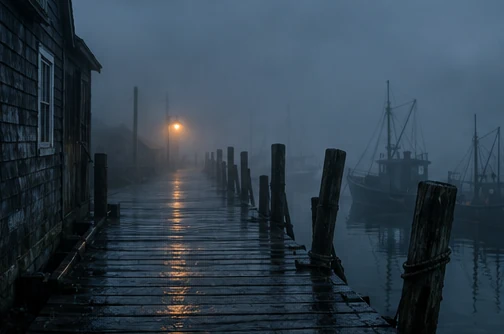
Quayside repairs and maintenance
Fishing nets and deck gear
Our approach
The useful details become obvious on a wet pier after sunset.
Wide handles and easy-to-find controls give cold hands something solid to work with.
A diffused glow helps with steps, knots and equipment close at hand.
Accessible battery compartments and surfaces you can wipe down make everyday care straightforward.